Prolapse is a common issue
post partum that is not talked about enough. The definition of prolapse is “a
protrustion of bladder, uterus and/or rectum into the vaginal wall”. This
commonly occurs during pregnancy, labor or with chronic constipation. Common
symptoms are a feeling of pressure or falling out in pelvic floor, sexual
discomfort and/or incontinence. These symptoms typically get worse in the
afternoon or evening time and feel better in the morning.
The first thing you should
know about prolpase is that it happens at varying degrees and being aware of
your degree of prolapse is /the first step! Yes, prolapse can get so bad that the
protrusion into the vaginal wall extends outside of your vaginal opening, BUT
just because this isn’t happening to you doesn’t mean you don’t have prolapse. There
are things you can do NOW to prevent your prolapse from getting worse and to limit
your symptoms.


I frequently have patients
coming for incontinence, pain or weakness and during the initial assessment I
find they have a prolapse and no one has told them. That’s great they are in my
office to learn what to avoid and how to “treat” their prolapse, but what about
all the others who aren’t getting to a pelvic PT? They are being told its okay
to resume normal activity and even worse RUN, not knowing they could be making
their prolapse worse!
Here is what I tell my
patients:
-
Your pelvic floor
is under the force of gravity when standing and sitting; you need to lie down
(even better on an inversion wedge) to give your pelvic floor a break.
- In the first 3 months post partum I recommend doing this every couple hours or as soon as you feel “pressure” symptoms returning.
- Remember if you are baby wearing then this will increase the pressure on your pelvic floor which can worsen prolapse; this includes carrying an older sibling too! So be even more mindful of “pressure” symptoms and lie down when needed. I found this much more difficult after my 2nd was born because all of my “down time” from the baby I spent with my 2 year old. Bottom line- make sure you are listening to your body and taking care of yourself!
- Kegels are great
for strengthening your pelvic floor and vaginal wall which will give more
support to your prolapse. Do 80-100 kegels a day and even better do them lying
down or on an inversion wedge. If you still have
prolapse symptoms on a daily basis then do not run or do any impact sports;
this will likely worsen your prolapse.
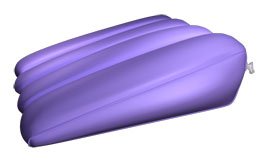
- Keep focusing on kegels and inversion! If you get to 6 months post partum and are still having symptoms see a specialist to discuss a pessary. A pessary can help your symptoms and allow you to return to exercise such as running.
- Do not strain on the toilet!
Candice Amat, PT, DPT
candice@duffyandbracken.com

